Eastern CKDu-Belt Safe Water Programme
40 community RO plants + household RWH across Padiyatalawa, Dehiattakandiya, Mahaoya.
Summary
The interior belt running from Padiyatalawa through Dehiattakandiya to Mahaoya has Sri Lanka's highest rural CKDu mortality. The cause is contested in detail but the response is not: communities need safe drinking water now, even while the agricultural inputs questions are being settled. Forty community reverse-osmosis plants and household rainwater harvesting across 60,000 people.
The problem on the ground
CKDu (Chronic Kidney Disease of unknown aetiology) kills hundreds of working-age men in the dry zone every year. Whatever the precise cause, the existing groundwater is the immediate carrier. Roof rainwater is reliably safe; treated surface water and properly-supplied RO water is safe; existing well-water in the affected divisions is not.
What the project actually does
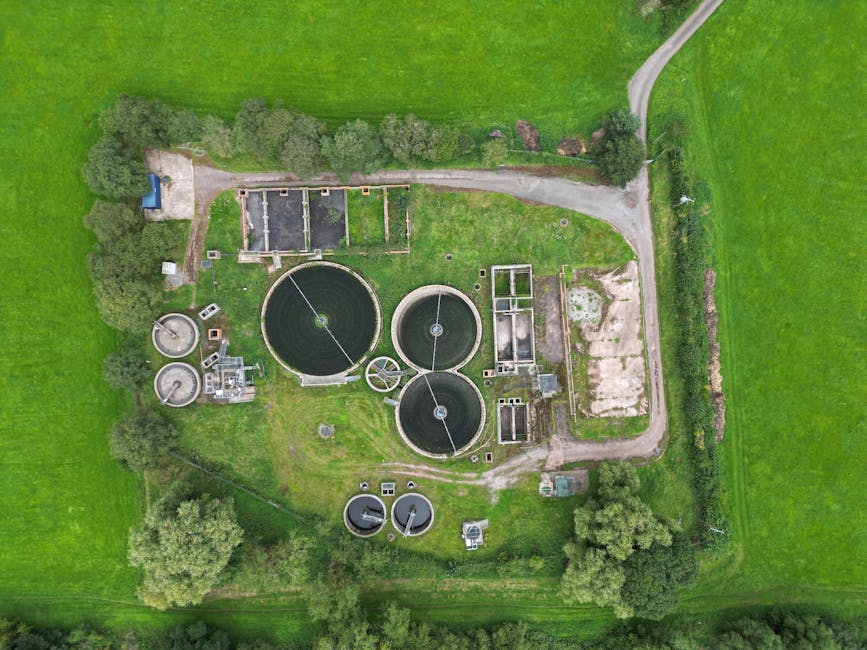
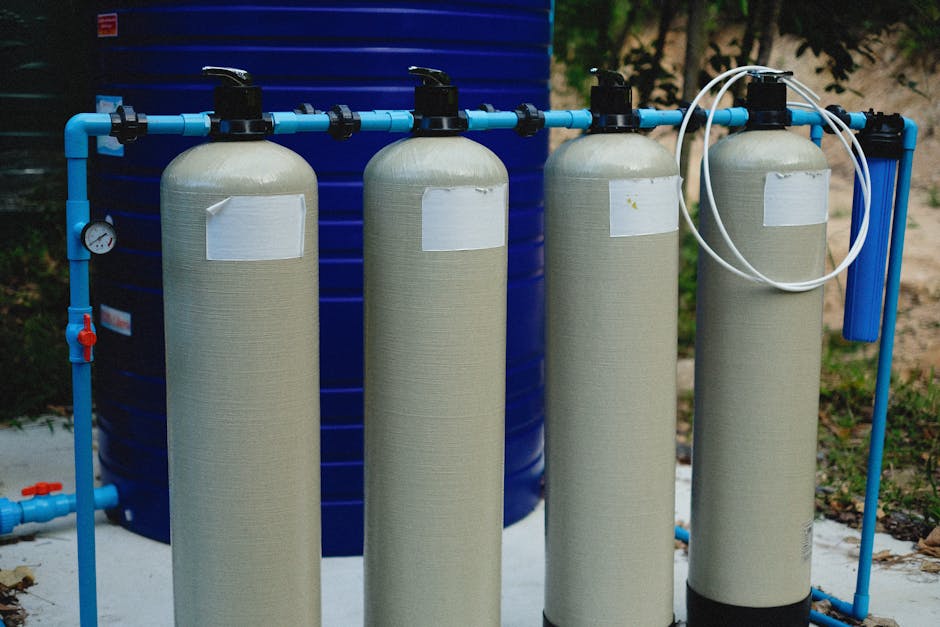
40 community RO plants distributed across Padiyatalawa, Dehiattakandiya, Mahaoya and the southern edge of Polonnaruwa. Plant model: 1,000 L/hr capacity, community-managed under Ministry of Health supervision, modest user-pays fee to fund operations and membrane replacement. Plus household rainwater harvesting (5,000 m³ tank capacity per household) across 12,000 households via partnership with existing NGO providers.
Market & demand
This is a public-good project, not a commercial one. The market signal is the unmet demand: every CKDu-affected village asked has demand for safe water exceeding any practical RO supply.
Who benefits, and how
60,000 people directly across the CKDu belt. Schoolchildren and pregnant women receive prioritised access through health-system distribution. Roughly half Sinhala, half Tamil, with small Muslim communities in the southern belt.
Impact across 20 lenses
Every project on this site is scored against the same 20 lenses. For each one we say how the project moves the needle, not just whether it does.
01. Rural Development
Core · 3/340 RO plants + 12,000 HH rainwater systems serving 60,000 people in CKDu-affected interior.
03. Poverty Reduction
Direct · 2/3Health-cost burden reduction is a stealth poverty effect — kidney disease bankrupts rural households.
05. Environmental Sustainability (ESG)
Direct · 2/3RWH reduces groundwater stress; RO brine disposal engineered.
09. Technology & Innovation Integration
Indirect · 1/3RO + RWH combination is appropriate tech, not novel.
11. Public–Private Partnerships (PPP)
Direct · 2/3Ministry of Health + NWSB + Provincial Council + existing NGO partners (partner-don't-duplicate).
12. Social Inclusion
Core · 3/3Sinhala + Tamil + Muslim CKDu-belt communities included; women + children prioritised in access.
13. Infrastructure Development
Core · 3/340 RO plants + 12,000 RWH installations + 1 monitoring lab.
14. Financial Sustainability & Revenue Model
Direct · 2/3User-pays from Y2; community co-ops own and operate.
15. Measurable Impact (KPIs & Outcomes)
Core · 3/3Litres delivered tracked daily; longitudinal kidney function tracked through MoH partnership.
16. Alignment with Donor Priorities
Direct · 2/3Rural health + vulnerable-population + infrastructure priorities. Strong rural-health donor fit.
17. Scalability & Replicability
Direct · 2/3Replicable to other CKDu-belt districts (Anuradhapura, Polonnaruwa, Vavuniya).
20. Community Impact & Social Value
Core · 3/3Reduces kidney-disease mortality which is the East's most under-discussed public-health emergency.
KPIs & targets
Financial model & sustainability
Capital is grant-funded. Operations move to user-pays (LKR 2-3 per litre) by Y2, sufficient to cover power and membrane replacement. Community RO co-ops own and operate plants.
Innovation & technology
Combination of centralised RO + decentralised household RWH is the integration novelty. Mobile water-quality lab (see cluster pitch) audits both delivery streams.
Partners & implementation
Ministry of Health (primary), National Water Supply Board, Provincial Council Eastern, existing NGOs in the CKDu space (a number of Sri Lanka-based and international NGOs have been working here for years — partner, don't duplicate).
Monitoring, evaluation & learning
Litres delivered per day per village; user-fee collection rate; membrane replacement compliance; longitudinal kidney-function monitoring through MoH partnership (the impact KPI nobody is tracking properly).
ESG safeguards
Environmental: RO brine disposal designed to avoid surface-water contamination. RWH systems reduce groundwater pumping pressure.
Social: equity in access — schoolchildren and pregnant women prioritised. Independent monitoring of community-board governance.
Donor alignment
Health equity, rural infrastructure, vulnerable-population priority. Strong fit with rural-health donor windows.
Scalability & replication
Model replicates to other CKDu-belt districts (Anuradhapura, Polonnaruwa, Vavuniya). The technical package is well-understood; the institutional model (community co-op + MoH supervision) is the part to get right.
Gallery