Multi-hazard Early Warning & Resilience Programme
Drought, flood and cyclone early-warning + community shelters in 200 GN divisions.
Summary
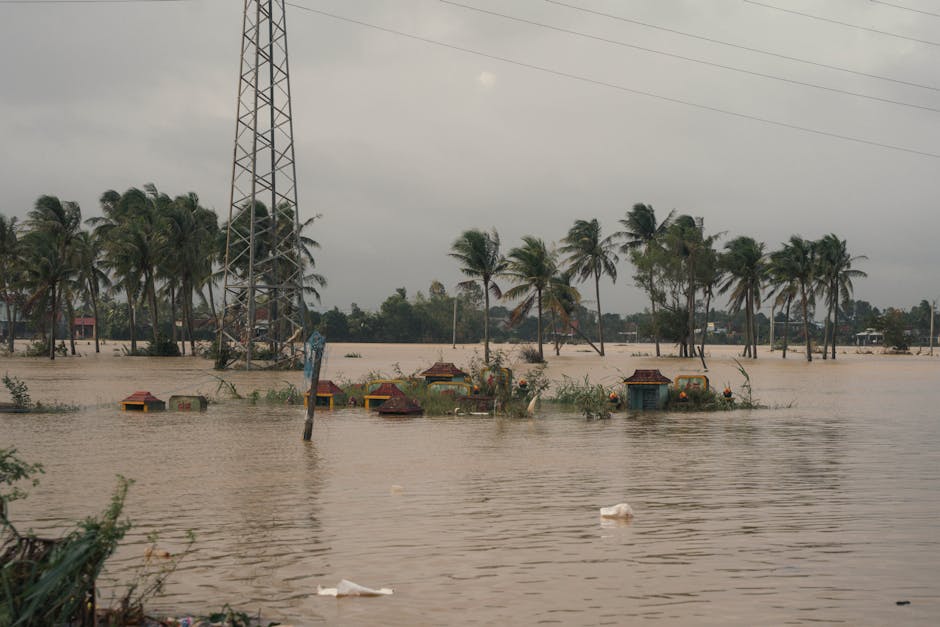
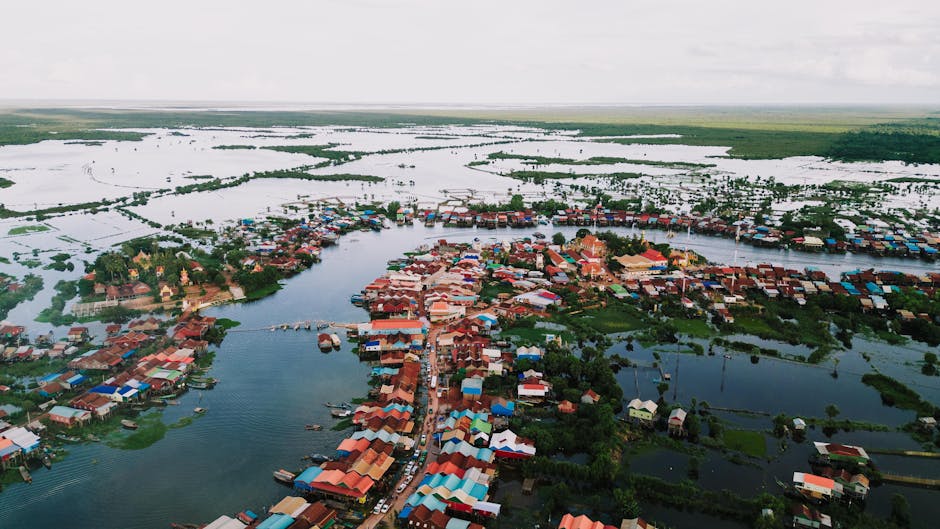
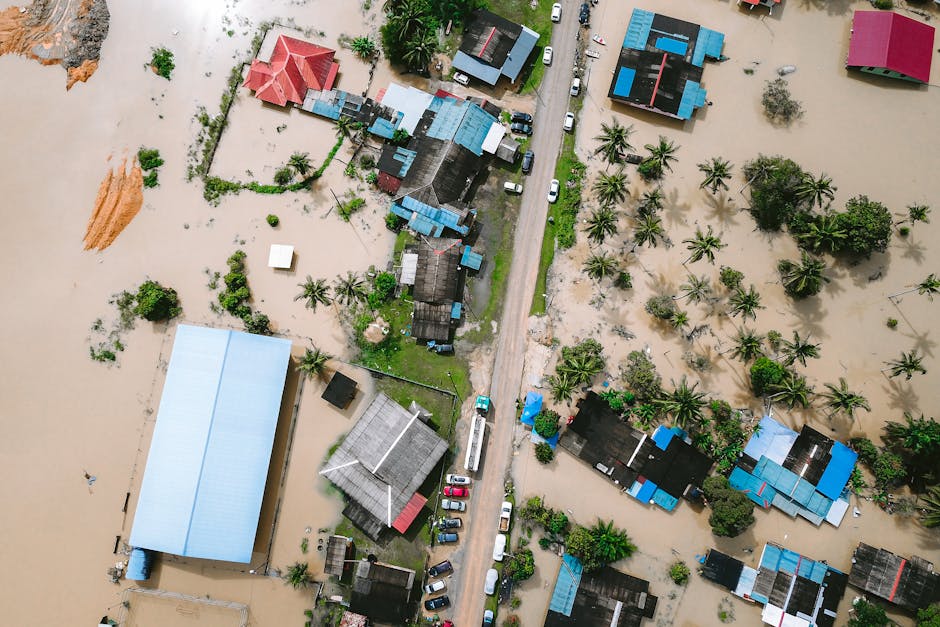
The East faces three hazards on rotation: drought (Yala season failure), flood (December cyclone + monsoon overlap), and direct cyclone strike (rare but devastating — 2018 Cyclone Gaja warning to anyone planning coastal infrastructure). This four-year programme builds multi-hazard early warning across 200 GN divisions, plus the community-level shelter and livelihood-diversification work that turns warning into useful preparedness.
The problem on the ground
Sri Lanka's Disaster Management Centre has improved national early-warning over the last decade, but the last-mile delivery — getting the warning to a fisherman in Pottuvil at 3am with enough specificity to act on — remains weak. Multi-language alerts, community-level warning protocols, and the trust that comes from accurate warnings over time are all in short supply in the East.
What the project actually does
Multi-hazard warning system: 200 GN-division-level warning posts, multi-language SMS + WhatsApp + community-radio integration, women-led DRR committees in each division (women because the warning needs to reach the household, not just the men's gathering points). Plus 40 cyclone-resilient community shelters in coastal-belt clusters and livelihood-diversification packages (drought-resilient kitchen gardens, flood-elevated grain storage) embedded in the 200 divisions.
Market & demand
DRR has no commercial market — it's a public good. The relevant calculus is avoided loss. Cyclone Gaja caused ~USD 60M of damage in 2018. Annual flood losses across the East run USD 15-25M. Drought-related crop losses USD 30-50M in bad years. A programme that reduces these by even 15% pays for itself in one cycle.
Who benefits, and how
200 GN divisions × ~700 HH each = ~140,000 households reached through warning. 40 cyclone shelters serving ~25,000 evacuation capacity. Women-led DRR committees: ~600 women in formal DRR governance roles.
Impact across 20 lenses
Every project on this site is scored against the same 20 lenses. For each one we say how the project moves the needle, not just whether it does.
01. Rural Development
Core · 3/3~140,000 HH reached across 200 GN divisions.
02. Women Empowerment
Direct · 2/3~600 women in formal DRR governance roles.
06. Climate Change Adaptation
Core · 3/3200 GN divisions multi-hazard warned; 40 cyclone shelters; livelihood diversification embedded.
09. Technology & Innovation Integration
Direct · 2/3Multi-language SMS + WhatsApp + community-radio integration for rural DRR.
10. Capacity Building & Skills Development
Direct · 2/3600+ DRR committee members trained; ~25,000 evacuation drills annually.
11. Public–Private Partnerships (PPP)
Core · 3/3DMC + DoM + Red Cross + Provincial Council + telcos + community radio.
12. Social Inclusion
Core · 3/3Women-led DRR committees (~600 women); shelter access non-discriminatory.
13. Infrastructure Development
Direct · 2/340 cyclone-resilient community shelters + 200 warning posts.
14. Financial Sustainability & Revenue Model
Direct · 2/3Provincial DMC absorption from Y5; community shelter user-fee for non-disaster bookings.
15. Measurable Impact (KPIs & Outcomes)
Core · 3/3Warning-receipt time + evacuation compliance + avoided-damage tracked event by event.
16. Alignment with Donor Priorities
Core · 3/3Climate + DRR + women-led governance — strong fit with climate-adaptation funding windows.
17. Scalability & Replicability
Core · 3/3Replicable to Northern, North Central, Uva multi-hazard provinces.
18. Risk Assessment & Mitigation
Core · 3/3Direct disaster-risk-reduction infrastructure and governance. Warning + shelter + diversified livelihoods stack.
20. Community Impact & Social Value
Core · 3/3Reduces disaster losses (USD 30-50M/yr drought, USD 60M cyclone) by an estimated 15-25%.
KPIs & targets
Financial model & sustainability
Public-good project — grant-funded for the four years. Sustainability mechanism: GN-division warning posts and DRR committees absorbed by Provincial Council Eastern's DMC sub-office from Y5.
Innovation & technology
Multi-language SMS at scale isn't new globally but is genuinely new for Sri Lankan rural DRR. Women-led DRR committees as primary governance node, rather than as a sub-committee, is the institutional innovation.
Partners & implementation
Disaster Management Centre (lead), Department of Meteorology, Sri Lanka Red Cross, Provincial Council Eastern, mobile telcos (SMS partner), community radio networks.
Monitoring, evaluation & learning
Warning-receipt time (alert issued to alert received at household level); evacuation compliance rate; post-event damage avoided vs comparable un-served divisions; women's representation in DRR committee decisions.
ESG safeguards
Environmental: shelter siting avoids ecologically sensitive land. Construction uses local materials and labour.
Social: shelter access non-discriminatory by ethnicity or religion. Women's-quorum requirement at DRR committee level.
Donor alignment
Climate-adaptation + DRR is one of the standard donor priorities including for Canada. Women-led DRR governance matches FIAP gender lens. Strong fit overall.
Scalability & replication
DRR + early-warning model replicates to any province with similar multi-hazard profile (Northern, North Central, Uva). The community-radio integration is region-specific but the rest is portable.
Gallery