Eastern Coconut Frontier Programme
5,000 ha new coconut + processing for VCO, milk and shell-charcoal export.
Summary
The Eastern dry zone is Sri Lanka's next coconut frontier. Land is available, the rainfall regime works, and processing-grade nuts already flow westward to Kurunegala mills. Catch that value locally — through 5,000 ha of new planting, two processing facilities, and a Canadian-organic-certification pathway — and the story changes.
The problem on the ground
Sri Lanka's coconut belt has been static for forty years. Western mill capacity is saturated. Meanwhile the East has the land, the agro-ecology, and the labour — but no local processing capability, so every nut that grows here gets trucked west and the value-add accrues elsewhere.
What the project actually does
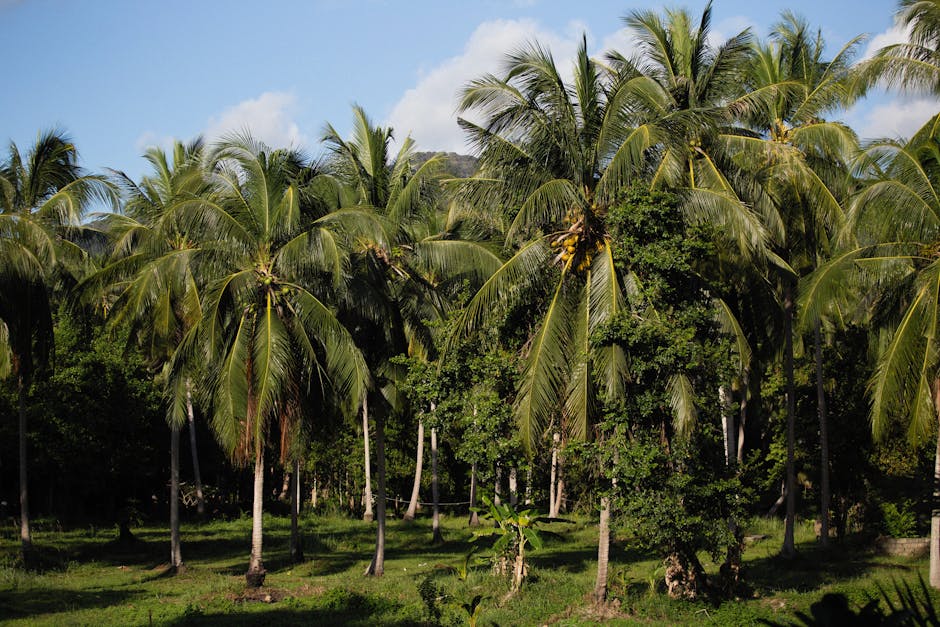
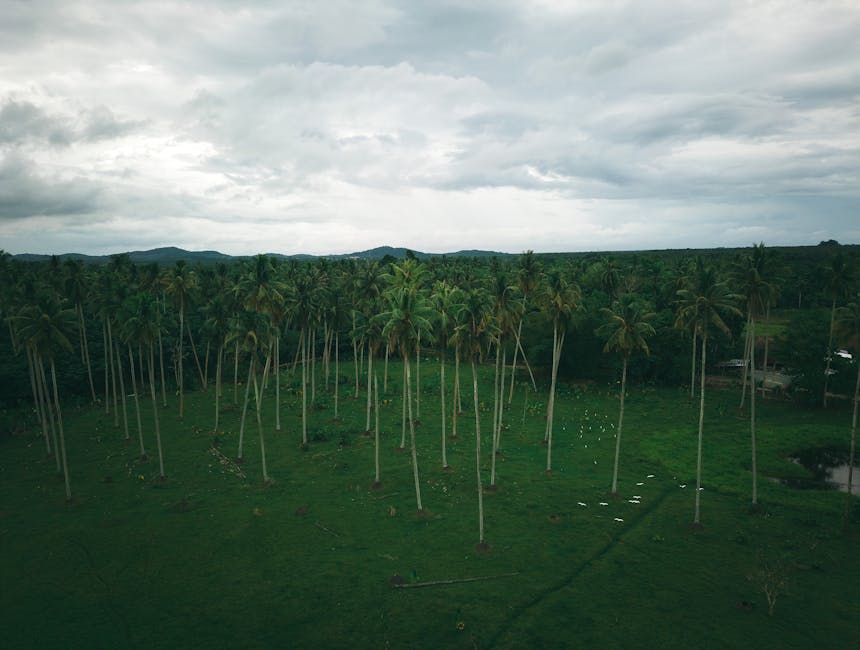
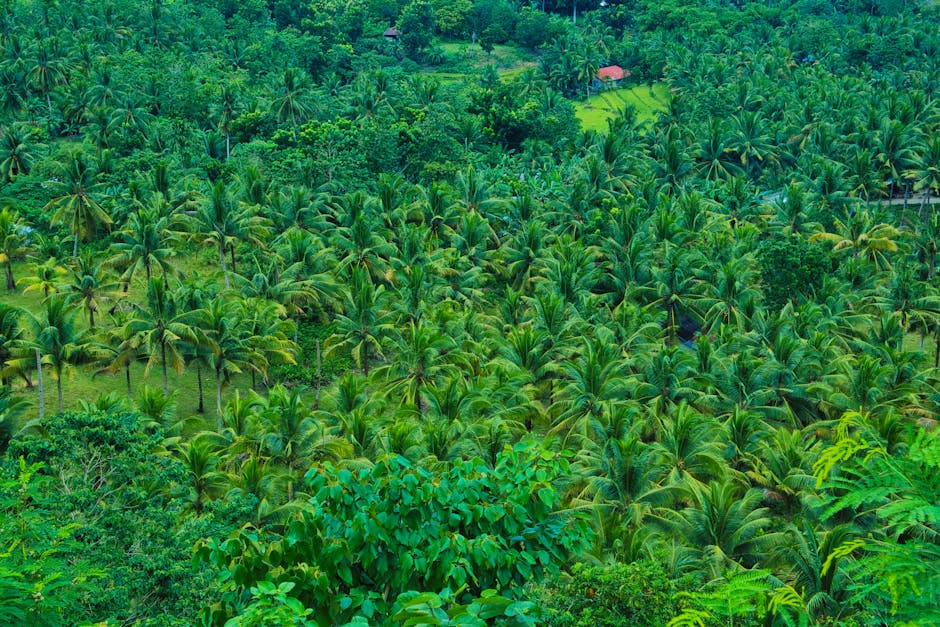
5,000 ha new coconut planting across Trincomalee and Ampara dry zones (Kantale, Pulmoddai, Sammanthurai). Two processing facilities: one for virgin coconut oil, one for coconut milk/desiccated. Canadian-organic certification pathway through a US-based certifier already active in Sri Lanka. Smallholder model — 5 ha or under per household, intercropped with banana for the first 5 years.
Market & demand
Global coconut products market is USD 18B and growing at ~9% CAGR. VCO and coconut-water segments lead growth. North American organic-certified VCO commands USD 14-18/L FOB; conventional VCO USD 7-9/L. The certified-organic premium is the value the project chases.
Who benefits, and how
3,800 smallholder households; ~120 processing-unit jobs (60% women in the cold-press VCO line); 30 nursery employees.
Impact across 20 lenses
Every project on this site is scored against the same 20 lenses. For each one we say how the project moves the needle, not just whether it does.
01. Rural Development
Core · 3/33,800 dry-zone HH organise around new coconut value chain in Trinco + Ampara.
04. Employment Generation
Direct · 2/3~120 processing jobs (60% women) + 30 nursery posts + indirect transport and trade.
05. Environmental Sustainability (ESG)
Direct · 2/3No deforestation; tree canopy improves microclimate; soil-cover benefits.
06. Climate Change Adaptation
Direct · 2/3Coconut handles DL1/DL2 drought; intercrop banana hedges 5-year tree-establishment income gap.
07. Economic Development & SME Growth
Core · 3/3Two processing MSMEs + ancillary nursery and transport businesses.
08. Export Development & Trade
Core · 3/3Canadian-organic-certified VCO target market; USD 1.8-2.4M/yr export by Y8.
10. Capacity Building & Skills Development
Direct · 2/33,800 farmers trained in tree-crop establishment and intercrop husbandry.
11. Public–Private Partnerships (PPP)
Direct · 2/3Coconut Cultivation Board + IDB + two private processors + organic certifier.
14. Financial Sustainability & Revenue Model
Direct · 2/3Processing units commercially viable from Y3; smallholder revenue from Y5.
16. Alignment with Donor Priorities
Direct · 2/3Trade-flow + rural development + climate-resilient agriculture priorities.
17. Scalability & Replicability
Core · 3/3Model replicates across all dry-zone coconut frontiers (Mannar, Vavuniya, Anuradhapura).
20. Community Impact & Social Value
Direct · 2/3Local value capture; reduced westward outflow of raw material.
KPIs & targets
Financial model & sustainability
Smallholder revenue from Y5 onwards (coconut palms take 5 years to produce). Intercrop banana provides interim income Y1-Y4. Processing units operate on commercial margin from Y3.
Innovation & technology
Combination of dry-zone smallholder planting + early-start intercrop banana + organic certification pathway is the integrated novelty.
Partners & implementation
Coconut Cultivation Board, Coconut Development Authority, Industrial Development Board; two private processors; one organic certifier.
Monitoring, evaluation & learning
Tree survival rate (year by year), intercrop yield, processing throughput, certified-organic conversion rate, export FOB price tracking.
ESG safeguards
Coconut is drought-tolerant. Intercrop banana provides early canopy and reduces erosion. No deforestation — planting on under-utilised pastoral and scrub land.
Donor alignment
Coconut products are a growing Canadian import. Organic-certified VCO is the relevant beachhead segment. Trade-flow alignment is direct.
Scalability & replication
Replicable to Mannar, Vavuniya, Anuradhapura dry zones. Processing model is portable.
Gallery